



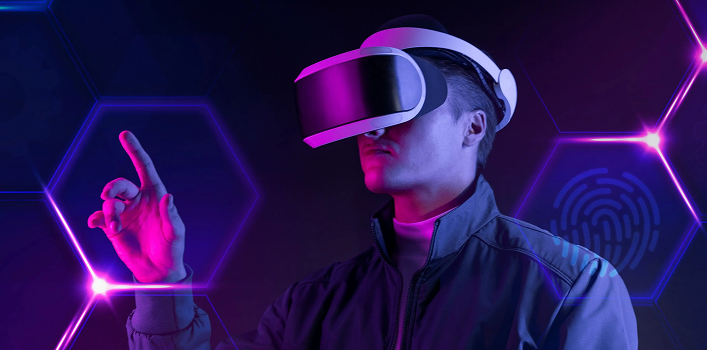
How AR & VR Are Reshaping Training, Education, and Remote Collaboration
By Faiz Ahmed Jiad
Augmented Reality (AR) and Virtual Reality (VR) are transforming training, education, and remote collaboration, making learning more immersive, interactive, and efficient. These technologies are redefining how people acquire skills, interact with content, and work together across distances. In this article, we explore how AR and VR are revolutionizing these fields.
1. AR & VR in Training: Enhancing Hands-On Learning
Businesses and organizations are integrating AR and VR into training programs to improve workforce preparedness and skill development.
Key Applications:
Simulated Workplace Training: VR enables employees to practice real-world scenarios in a risk-free virtual environment (e.g., aviation, healthcare, manufacturing).
AR-Assisted Maintenance & Repairs: AR overlays provide real-time guidance for technical tasks, reducing errors and training time.
Emergency Response Training: VR-based simulations help train personnel for hazardous situations, such as firefighting or disaster management.
2. AR & VR in Education: Transforming the Learning Experience
Educational institutions are leveraging AR and VR to create engaging and interactive learning environments that enhance student comprehension.
Key Applications:
Virtual Classrooms & Laboratories: Students can conduct experiments, explore historical sites, and participate in interactive lessons using VR.
AR-Enhanced Textbooks: AR apps bring static educational content to life with interactive 3D models and animations.
Language Learning & Cultural Immersion: VR allows students to practice new languages and experience different cultures in a simulated environment.
3. Remote Collaboration with AR & VR: Bridging the Distance
Remote work and virtual collaboration have become essential, and AR and VR are making these experiences more engaging and productive.
Key Applications:
Virtual Meetings & Conferences: VR enables teams to collaborate in 3D environments, making remote interactions more engaging.
AR-Powered Remote Assistance: Technicians can guide colleagues in real-time using AR overlays, improving troubleshooting and customer support.
Immersive Team Building Activities: VR-based activities foster stronger connections among remote teams by simulating in-person experiences.
4. Advantages of AR & VR in Training, Education, and Collaboration
Increased Engagement: Immersive experiences enhance focus and retention.
Cost-Effective Training: Reduces the need for physical training resources and travel expenses.
Improved Accessibility: Provides equal learning opportunities for students and employees, regardless of location.
Enhanced Retention & Understanding: Hands-on learning improves concept comprehension and skill application.
5. The Future of AR & VR in Learning and Workspaces
As 5G technology, AI, and spatial computing advance, AR and VR will become even more accessible and integrated into everyday life. Future developments may include:
AI-Driven Personalized Learning Paths for adaptive training programs.
Holographic Collaboration Spaces for real-time 3D interactions.
Fully Immersive Educational Metaverses that replicate real-world learning environments.
Final Thoughts
AR and VR are revolutionizing training, education, and remote collaboration, making learning and teamwork more effective than ever. As businesses and institutions adopt these technologies, they will unlock new opportunities for engagement, efficiency, and innovation.How to Choose the Right Custom Software Development Partner